Alba

Acquisition

Attracting new customers is something every venue thinks about, and there's no single right way to do it. A lot depends on where you are, who you're trying to reach, and what kind of venue you're running.
Know who you're trying to reach

Know who you're trying to reach
Before spending time or money on marketing, it helps to have a rough sense of who you're actually trying to attract. Indoor golf venues tend to draw a mix of people:
  • Casual groups: friends, colleagues, or couples looking for something fun to do
  • Golfers: people who want to practice or play off-season
  • Corporate teams: booking an event or client entertainment
  • Families: looking for an activity, often around a birthday or special occasion
Most venues will see some of all of these. The mix varies a lot depending on your location and format. A useful question to ask early on: who are we already good at serving, and where are our bookings actually coming from? That's usually the best signal for where to focus first.

Your venue is your best marketing

Your venue is your best marketing
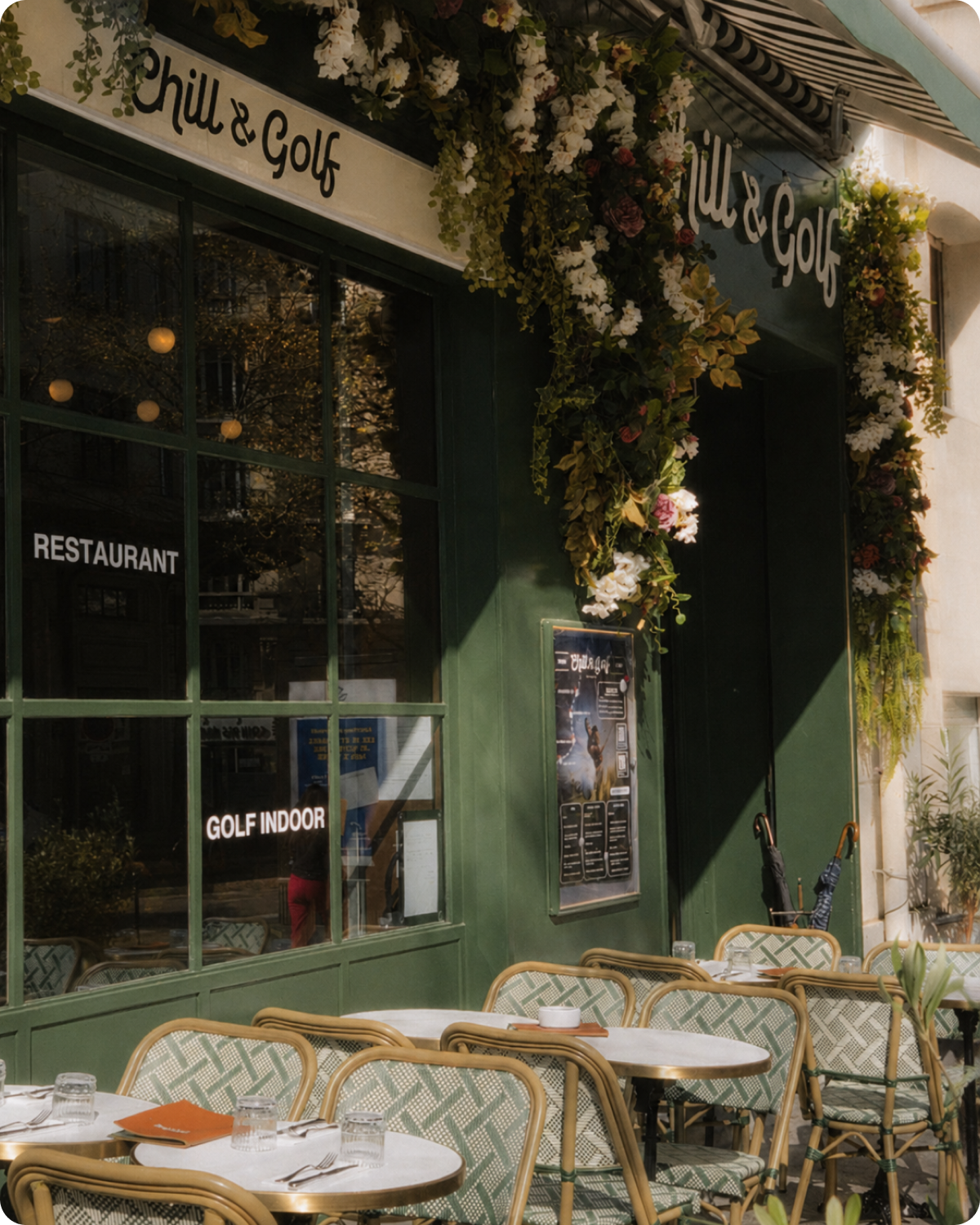
One thing that comes up again and again when you talk to operators: the single most effective thing driving new customers through their door is the venue itself.
A space that feels welcoming, looks great, and delivers a genuinely good experience gets talked about. People bring friends. They recommend it to colleagues. They post about it without being asked.
No campaign will outperform a venue people love visiting. Getting that right is the foundation everything else builds on.

Make sure you're easy to find

Once people are looking for you, or for something like you, it helps to be easy to find. A few things that tend to make a difference:
  • Google Business Profile: when someone searches for indoor golf nearby, this is usually the first thing they see. A complete profile with photos, accurate hours, and a few recent reviews does a lot of work on its own.
  • Reviews: people will look at what others have said before they visit. A steady trickle of honest reviews from happy customers is plenty. The simplest approach is just to ask at the right moment. A casual mention at the end of a session is often enough.
  • Your website: people want to know what you offer, where you are, and how to book. If those three things are clear and the booking process is smooth, it's doing its job.

Think about who can send customers your way

Some of the most reliable new customers come through referrals, from people or businesses that already have a relationship with your audience. This looks different depending on your venue and location:
  • A city-centre venue might connect with nearby hotels, office buildings, or event planners
  • A venue in a smaller town might build relationships with local golf clubs, sports teams, or community groups
  • Any venue can benefit from happy customers who bring friends along or recommend you to their workplace
Corporate is an area worth exploring specifically. Team events and client entertainment bookings tend to be high value, and once a company has had a good experience, they often come back. It's usually a matter of making yourself known to the right people: an HR manager, an office manager, someone who organises team activities. Not a big campaign, just the right conversation.

Events as a way in

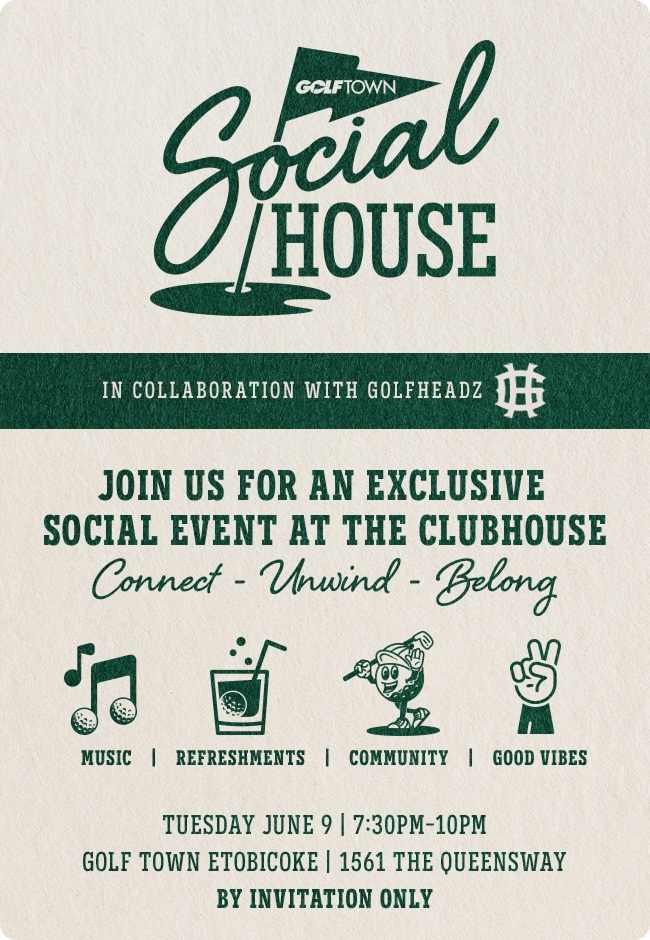
Running the occasional event (an open evening, a small competition, a themed night) is worth considering not just as a revenue opportunity, but as a way to bring in people who might not otherwise have come through the door. First-time visitors who arrive for a specific occasion tend to convert into returning customers at a good rate. It gives them a story, a memory, and a reason to come back.
These don't need to be elaborate to work well.

Show up on social media

Having some kind of social presence is worth it, even a modest one. People appreciate seeing what a venue is actually like before they visit, and social media is a natural place for that. A few ideas for content that tends to resonate:
  • Real people enjoying the experience
  • Behind-the-scenes of the setup or technology
  • Upcoming events or offers
  • Short clips of great shots or fun moments
Social media can take up a lot of time without always showing a clear return. Starting small and being consistent tends to work better than putting a lot of effort in all at once and burning out on it.